

Every neighborhood can become the center of daily life. It is necessary to ask the question: can you take a walk and walk from home to the store? Can you take the children and walk to the local park on foot instead of leaving them to play in the backyard? Can you refuse a car trip to take the children to friends, and instead ride a bicycle around your neighborhood as a family? For example, after dinner in good weather, you can organize a family walk around the neighborhood, thus getting the necessary physical activity. This is a great solution to combine business with pleasure: sports with communication with neighbors whom you can meet on the street. The review will help to understand how the well-being of neighborhoods affects the development of an active lifestyle, and which neighborhoods in Omaha contribute to this in every way.
Active Lifestyle in Omaha Neighborhoods
In some neighborhoods of Omaha, the active lifestyle and opportunities for residents are much better than in others. The presence of well-equipped sidewalks, bicycle paths, safe pedestrian crossings, shops and other public facilities within a quarter mile radius “encourages” people to start leading a healthy lifestyle.
But if desired, an active lifestyle can be led even without all the listed benefits and advantages. For example, gardening, your own route for walking along the calmest streets. If you plan to walk at night, you should provide for the presence of clothing with reflective elements to remain visible to drivers.
If there are problems in the neighborhood with the speed of movement of vehicles, which creates problems for peaceful walks, you can seek help from the Department of Public Works to implement a program to reduce the speed of movement.
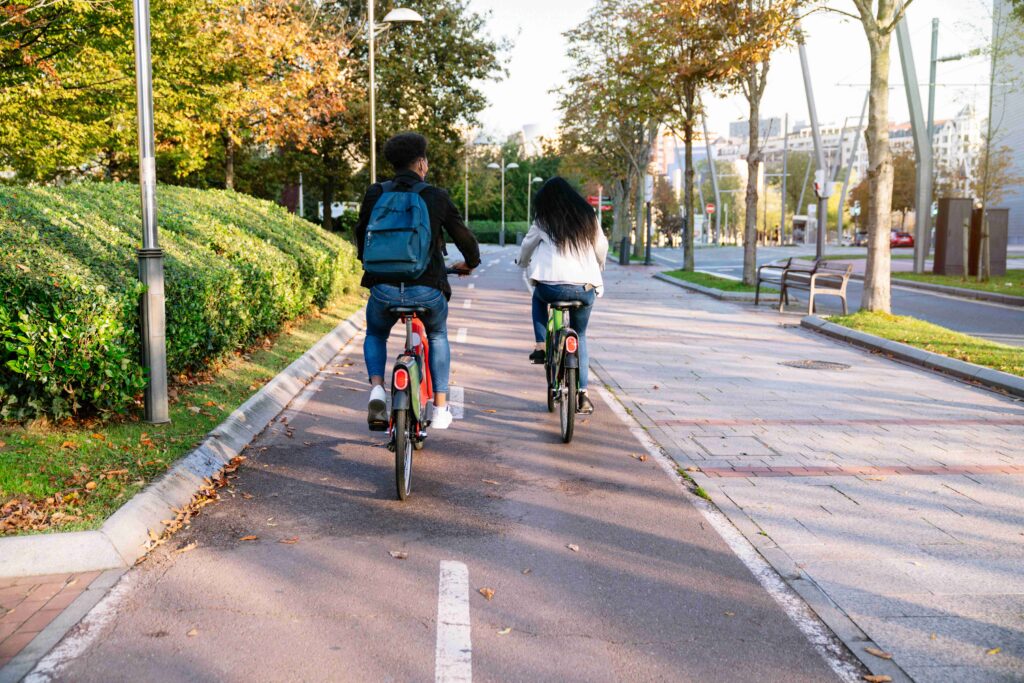
In addition, to develop an active lifestyle in your own neighborhood, you can also enlist the support of various local communities. With their help, it will be possible to organize special bicycle paths and more.
It is important to remember that activity in daily life always starts with the neighborhood where people live. After all, habits are formed due to a convenient environment:
- presence of parks nearby;
- presence of bicycle paths;
- presence of safe sidewalks.
In this case, movement becomes a natural part of the day. For this reason, each neighborhood plays a key role in shaping a healthy lifestyle: it either contributes to its development in every way, or, conversely, complicates it.
Neighborhoods with Good Conditions for Walking and Activity
In the city of Omaha, many neighborhoods are actively developing infrastructure for pedestrians and cyclists. City parks, separate green areas, public spaces are specially provided for this – all this makes physical activity accessible to everyone, regardless of age, gender, or social status.
Main neighborhoods of the city that offer residents good conditions for various types of activity:
- Leavenworth – this is a popular cycling neighborhood in the city, where you can also walk, combining your own activity with daily activities.
- Old Market – this is the historic center of Omaha, where walking infrastructure is well developed. There are quite a lot of cozy streets, cafes, parks here, which make this neighborhood convenient for daily walks, socializing, and active recreation.
- Market West – another neighborhood that is suitable for walking and cycling. As a result, you can shop and socialize with neighbors.
- Dundee – a historic neighborhood with developed infrastructure for pedestrians. Here there are small shops, cafes, as well as convenient sidewalks that encourage residents to walk more often.
- Aksarben Village – a modern neighborhood with wide sidewalks, parks and green areas. This district was specially designed taking into account the active lifestyle of its residents. There are shopping areas, restaurants, as well as convenient routes for walking and cycling.
- Benson – a neighborhood with a developed pedestrian infrastructure, where there are many opportunities for walking. There are also various cafes, shops, entertainment venues.
- Blackstone District – a neighborhood with a dense concentration of restaurants, bars, shops. This is an ideal place for walking and socializing with neighbors.
- Midtown Crossing – a modern neighborhood with wide pedestrian zones and bicycle paths. Here you can walk, shop, and relax in one of the many cafes or restaurants.
These neighborhoods are distinguished by the fact that they allow residents to lead an active lifestyle without having to use a car. Due to the well-developed walking and cycling infrastructure, people can move around the neighborhood, shop, socialize with neighbors, and spend time outdoors.
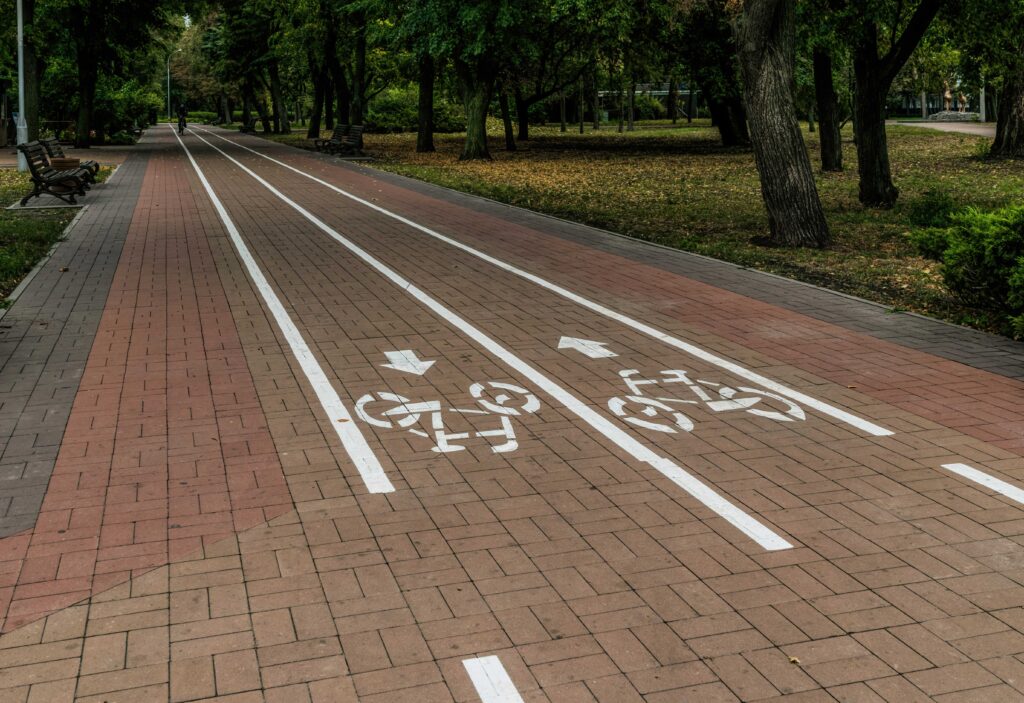
In addition to neighborhoods with well-developed infrastructure, there are also many parks and trails in Omaha that contribute to an active lifestyle:
- Gene Leahy Mall – a renovated downtown park with modern walking paths, green lawns, and public spaces for gatherings and events.
- Heartland of America Park – a park in the central part of the city with fountains, walking paths, and beautiful views of the city skyline.
- Zorinsky Lake – a large recreational area with trails for walking, running and cycling around the lake.
- 144th Street Trail – this is a long trail that can be used for cycling, walking, it connects residential areas with lakes and various recreation areas.
- Elmwood Park – this is a fairly large city park, which has many green areas, public places for walking and relaxation.
- Hummel Park – a large natural park that has well-equipped hiking trails, areas for outdoor recreation with the whole family.
All these are vivid examples of how the layout and infrastructure of a particular neighborhood can support activity and a healthy lifestyle on a daily basis.
Activity – the Key to Physical and Emotional Well-Being
People who spend a lot of time outdoors, communicate with their neighbors, actively participate in the life of their neighborhood, feel as involved and protected as possible. Neighborhoods that are distinguished by well-developed infrastructure, both for cyclists and pedestrians, demonstrate a high level of social activity and mutual assistance.
Creating an environment in which a healthy lifestyle can be maintained is a common task for residents, city authorities and public organizations.